
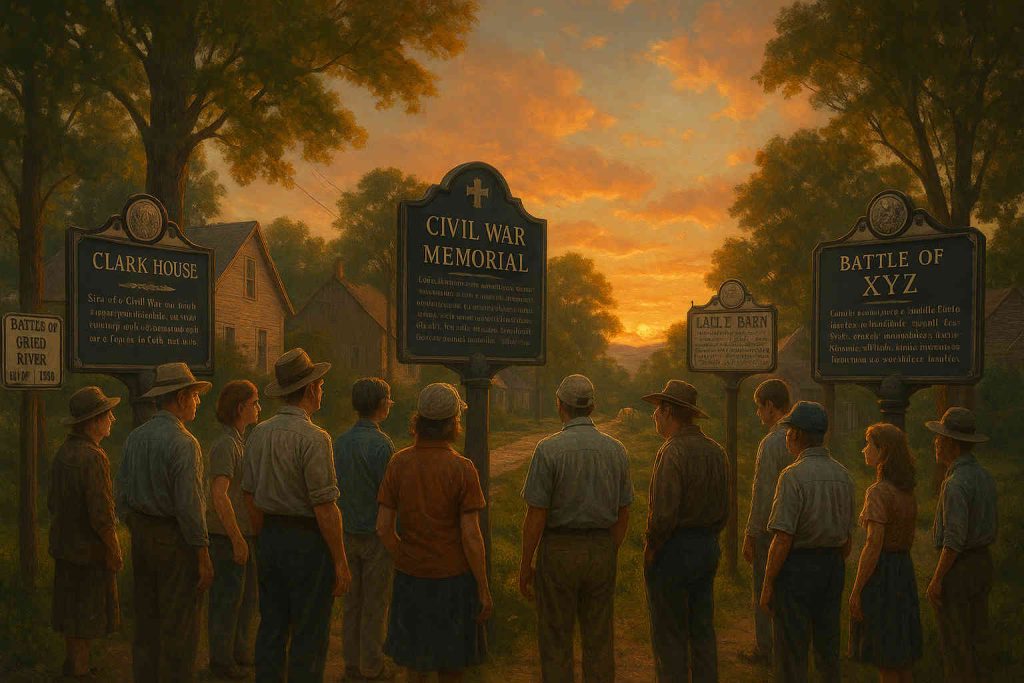
Background of the Civil War in Nolensville
Nolensville’s history is closely tied to the American Civil War, with the town serving as a site of skirmishes and troop movements during this turbulent period in the 1860s. Located near key routes, Nolensville found itself caught between Union and Confederate forces on multiple occasions. These encounters shaped the town’s development and left behind significant historical traces, including battlefield sites and markers commemorating the events and individuals involved.
While large-scale battles like the Battle of Nashville garnered widespread attention, smaller actions around Nolensville often go unnoticed. These local skirmishes contributed to the overall strategies and outcomes of the war in Tennessee. Recognizing these lesser-known events helps paint a fuller picture of the area’s past and honors those who were part of it.

Profiles of Civil War Markers in Nolensville
Nolensville is home to several historical markers that highlight important spots and stories from the Civil War era. Each marker serves as a window into the past and offers insight into the local experiences of war.
The Nolensville Skirmish Marker
This marker details a clash that took place in Nolensville on February 15, 1863. Confederate cavalry units engaged with Union forces in a brief but intense fight. Despite its small scale, this skirmish had strategic importance, disrupting Union operations in the area. The marker is located near the original battlefield, providing visitors with context about the geography of the engagement.


The Union Encampment Site Marker
Another key historical marker marks where Union soldiers camped during the summer of 1862. This site was used to stage movements toward nearby Nashville and was critical for logistics and planning. The marker explains daily life in the camp and highlights personal stories from soldiers stationed here.
The Confederate Home Guard Post Marker
This marker commemorates the home guard units that operated in Nolensville to protect local interests and maintain order. Home guard groups played roles in communication and defense, often acting in a volunteer capacity. The marker also acknowledges civilian experiences during the war and their contributions to the community’s resilience.

Why Preserving These Markers Matters
Permanently preserving Civil War markers is crucial for several reasons. First, they provide educational value, helping people learn about local history in a tangible way. Physical markers allow residents and visitors to connect directly with stories from the past rather than reading about them in books alone.
Second, these markers honor the memory of those who lived through the conflict—soldiers, civilians, and leaders. They serve as reminders of the sacrifices and challenges faced during the war.
Finally, the markers contribute to cultural tourism, attracting visitors interested in history. By protecting these sites, Nolensville can strengthen its identity, stimulate the local economy, and promote informed pride among its community.
Challenges in Protecting Historical Markers
Protecting Nolensville’s Civil War markers comes with multiple challenges. One significant issue is modern development. As the town grows, new construction and road expansions risk damaging or displacing markers and their surrounding areas.
Another problem is lack of public awareness. Not everyone understands the markers’ importance or knows where to find them. Without community support and attention, the sites may be neglected.
Physical deterioration is a further concern. Exposure to weather, vandalism, and natural decay can reduce the markers’ legibility and appearance over time. Without consistent maintenance, these markers may gradually disappear or become difficult to interpret.
“Historical markers are silent storytellers that connect us to our roots; protecting them means preserving the stories of those who came before us.”
Community Efforts to Protect and Celebrate Markers
Preserving Nolensville’s Civil War markers requires active participation from residents, local organizations, and businesses. Here are some practical steps the community can take:
- Education: Schools and historical groups can include marker visits in their programs. Informative brochures and guided tours help raise awareness of the sites’ value.
- Advocacy: Citizens can work with local government to ensure development projects consider historical preservation. Advocating for official protections can safeguard markers from being moved or destroyed.
- Volunteerism: Community volunteers can assist with cleaning, minor repairs, and monitoring of marker conditions. Regular upkeep prevents deterioration and improves public enjoyment.
- Heritage Tourism: Local businesses can promote historical trails including these markers, encouraging visitors to explore Nolensville’s past. This strategy benefits both preservation and the town’s economy.
The Best of Nolensville website plays an important role by highlighting these markers alongside local businesses and events. Sharing stories and organizing heritage events connecting history and lifestyle helps build a stronger, informed community.
“Together, we keep history alive—one marker, one story, and one visitor at a time.”