Understanding Historic Zoning in Nolensville
Main Street in Nolensville, Tennessee, is more than just a series of buildings; it represents the town’s rich past and cultural identity. Historic zoning is a tool used by the local government to protect this legacy. It regulates changes to buildings and landscapes within the designated historic district to maintain architectural styles and the overall historic ambiance.
The Nolensville Historic Zoning Commission (HZC) leads this effort. Their responsibilities include reviewing applications for property modifications, ensuring new developments fit the town’s character, and promoting preservation standards. This approach preserves Nolensville’s unique atmosphere and keeps the charm that residents and visitors appreciate.
By managing growth carefully, the HZC ensures that the historic district remains a vibrant part of the community. Preservation laws help prevent demolition or inappropriate alterations to historic structures, keeping the town’s heritage intact as it develops.

Recent Projects and Modifications on Main Street
Recent activity highlights the commission’s ongoing work to balance preservation with progress. One notable example is the approval of modifications for the Lewis Barber Company building on Nolensville Road. This project aimed to update the structure while respecting its historic features, ensuring it remains a functional and attractive part of the district.
Projects like this often involve careful review of plans and materials to ensure compatibility with the established style and historical significance. The commission consults with property owners, developers, and community members to reach decisions that support preservation goals.


However, not all projects proceed without conflict. Some developers have sought to remove historic designations from certain properties to allow for new construction or significant renovations. These proposals have led to public debates, reflecting the tension between economic development and maintaining the town’s heritage.
The Role of Preservation Organizations
Beyond the government, preservation societies contribute greatly to Nolensville’s historic efforts. The Heritage Foundation of Williamson County and the Nolensville Historical Society are two local groups that work to protect the town’s past.
These organizations provide education about historic preservation, offer resources to homeowners and developers, and advocate for policies that support heritage conservation. They organize events, publish materials, and sometimes partner with the zoning commission to strengthen community awareness.
Their work ensures that preservation is seen not just as a set of rules, but as a shared value that benefits residents socially and economically.
Benefits to the Community from Historic Zoning
Preserving historic Main Street creates several advantages for Nolensville. Heritage tourism draws visitors interested in architecture and local history, which supports small businesses and restaurants in the area.
Maintaining the town’s historical character can also increase property values. Buyers often seek neighborhoods with distinct charm and stable aesthetics, making preservation a smart investment strategy for homeowners.
Environmental benefits arise too. Rehabilitating existing buildings reduces materials waste compared to new construction, conserving resources and energy. The green advantages of preservation align with broader community goals for sustainability.
Challenges Faced in Balancing Growth and Preservation
Nolensville faces pressures as it grows. Real estate development interests often push to modernize or expand, occasionally clashing with preservation goals. Economic incentives can tempt property owners to pursue changes that might undermine historic integrity.
Another challenge is managing public opinion. Some residents want to protect every historic structure; others prioritize progress and new opportunities. This diversity of views requires the zoning commission to carefully navigate varied community priorities.
Ultimately, successful preservation balances respect for history with the practical needs of a growing town.
Public Engagement and Its Influence on Policy
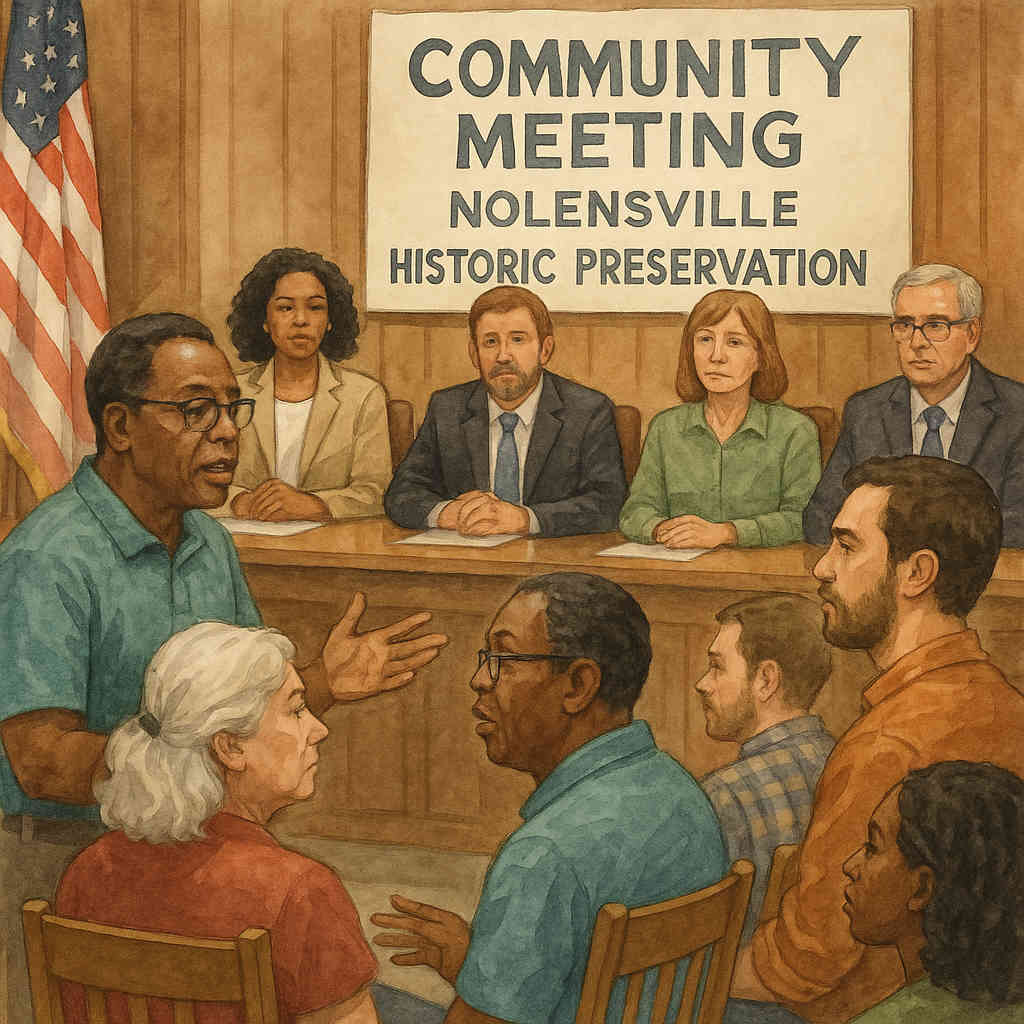
Community involvement plays a vital role in shaping Nolensville’s historic zoning policies. Regular commission meetings invite resident feedback on proposed changes. These forums offer chances to voice support or concerns about developments affecting the historic district.
The open dialogue helps foster understanding and encourages compromises where possible. It keeps the process transparent and ensures residents share ownership of decisions impacting their neighborhood’s character.
Keeping communication channels open between officials, property owners, and citizens strengthens preservation efforts and builds trust.