The Founding of Nolensville: A Fortunate Stop in 1797
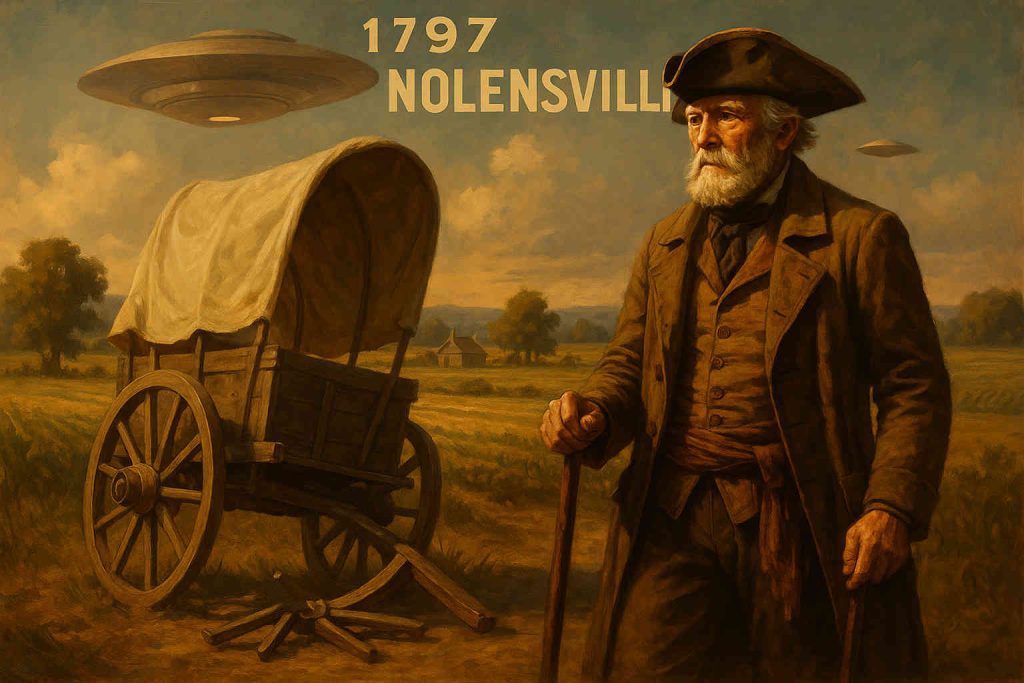
In 1797, William Nolen, a veteran of the Revolutionary War, and his family were traveling westward searching for new land to settle. Their journey came to an unexpected halt near fertile farmland in Middle Tennessee when their wagon wheel broke. This unforeseen event led the Nolens to pause, inspect the surroundings, and soon decide to establish roots in what would become Nolensville.
This moment marked the beginning of Nolensville’s founding story. William Nolen saw potential in the land, which was rich for farming and close to emerging trade routes. The Nolens acquired land parcels officially, setting the foundation for a small, tight-knit farming community that thrived because of its natural resources and the hard work of early settlers.
Early Development: Farming Roots and Family Beginnings
The early days of Nolensville revolved largely around agriculture. The Nolen family, along with other settlers who soon arrived, cultivated the land for crops and livestock. Over time, these farms became the backbone of the community. The first homes were simple wooden structures built close together, fostering a strong community feel.
Local families like the Nolens, Rayburns, and Harpers played key roles in shaping the town’s character. These families not only farmed but helped establish schools, churches, and small businesses to support daily life. Historic land records and early maps preserved in the Williamson County Archives highlight how the town expanded in the first half of the 19th century, maintaining its rural charm.


Through the Civil War: Impact and Resilience
The Civil War marked a challenging chapter for Nolensville. While it was a small farming town, its location in Williamson County placed it near key battle sites and troop movements. Local men enlisted on both sides of the conflict, and the war disrupted farming activities and community life.
Despite these trials, Nolensville showed resilience. Families endured hardships, rebuilt homes, and continued farming where possible. Post-war records tell of gradual recovery and renewed growth. Churches and schools were rebuilt, serving as rallying points for the community’s spirit.
Modern Growth and Re-Incorporation
Although Nolensville grew slowly throughout the early 20th century, its true population and development boom came late in the century. In 1996, the town officially re-incorporated to manage growth and preserve its unique character amid the expanding Nashville metropolitan area.
Today, Nolensville balances modern amenities with small-town charm. The downtown area is vibrant and family-friendly, hosting community events that celebrate its heritage. This careful development prioritizes keeping the spirit of the original settlement alive.
Where to Learn More: Historical Societies and Archives
For those interested in diving deeper into Nolensville’s history, several local resources offer extensive archival material and expert knowledge:
- Nolensville Historical Society – A community group dedicated to preserving the town’s past through records, exhibits, and educational programs.
- FranklinIs.com – Offers historical insights as well as modern perspectives on Nolensville’s development and lifestyle.
- Wikipedia – Nolensville, Tennessee – A good starting point for general historical facts and references.
- Williamson County Archives – Stores land deeds, census records, and other documents vital to tracing Nolensville’s founding families and growth.
“Nolensville today preserves the welcoming spirit of its earliest settlers while embracing steady growth and community pride.”
The Legacy of Nolensville’s Founding
From a broken wagon wheel to a thriving small town, Nolensville’s true founding story reflects the determination and resilience of early settlers. The community that William Nolen and his family started has grown but still retains the familiar warmth and friendliness that made it a special place over 200 years ago.
Residents and visitors alike can appreciate this history in the local landmarks, traditions, and the ongoing efforts to honor the town’s roots. Whether walking through the downtown area or visiting historical sites, the legacy of 1797 lives on in Nolensville’s heart.